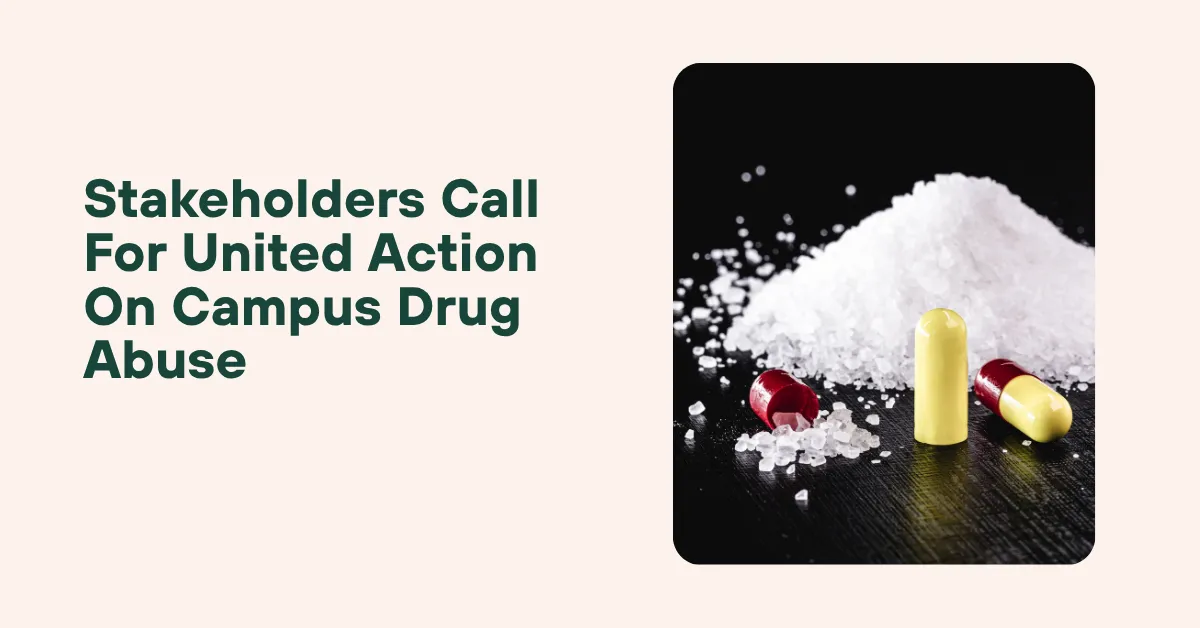
Stakeholders have called for united action to tackle the devastating impact of drug and substance abuse in Universities across the country, noting that the scourge is becoming increasingly challenging and affecting students in both niversities and secondary schools.
The call was made at an online webinar themed "Campus Crisis: Addressing Drug and Substance Abuse in Nigerian Universities," organised by the Board of Fellows of the Pharmaceutical Society of Nigeria.
In his welcome remarks, the Chairman of the Board of Fellows, Uche Apakama, stated that drug and substance abuse among young people had become an issue of serious concern, noting that Universities meant to serve as centres of learning and character development were increasingly confronted with the devastating effects of substance misuse.
He explained, "Beyond its impact on academic performance, drug abuse contributes to mental health disorders, violence, cultism, crime, school dropout, and the loss of human potential."
A Professor of Pharmaceutics and former Dean, Faculty of Pharmacy, University of Ibadan, Professor Oluwatoyin Odeku, described drug abuse as a national crisis, noting that experimentation with illicit substances typically begins from 100 level, targeting vulnerable young students. She observed that academic stress and pressure to perform were driving students toward drugs, adding that substance use was being glamorised on social media.
Odeku disclosed that an emerging trend of new psychoactive substances in the country had complicated treatment, as some students combined multiple substances, worsening mental health deterioration and organ damage. She regretted that no legislation currently exists for these new psychoactive substances, calling for stronger partnerships among agencies such as NAFDAC and the National Drug Law Enforcement Agency to improve compliance and enforcement.
The Committee Chairman, Board of Fellows Drug and Substance Abuse, Dr Kingsley Chiedu Amibor, noted that University campuses were under serious threat from rising cases of substance abuse, warning that silence amounted to complicity and urging participants to become advocates within their schools and communities.
During the panel discussion, Professor Mohammed Garba Magaji of Ahmadu Bello University advocated the establishment of Drug and Substance Abuse Counselling Committees in every University, domiciled in the Office of the Vice Chancellor, to coordinate prevention and rehabilitation programmes.
Professor Michael Ubaka, former Commissioner for Secondary and Tertiary Healthcare in Imo State, stressed that government alone could not effectively combat drug abuse, calling for sustained public awareness campaigns and continuous monitoring involving all stakeholders.
Student leaders also contributed, identifying peer pressure and social media influence as major factors driving substance abuse among undergraduates, while the National President of the Pharmaceutical Association of Nigerian Students noted that even pharmacy students sometimes misused drugs during examination periods despite their professional training.
The webinar concluded with participants calling for stronger policies, improved counselling services, and enhanced collaboration among regulatory agencies, Institutions, and families, referencing World Health Organisation figures showing approximately 64 million people worldwide experience drug related disorders.



Leave a Reply