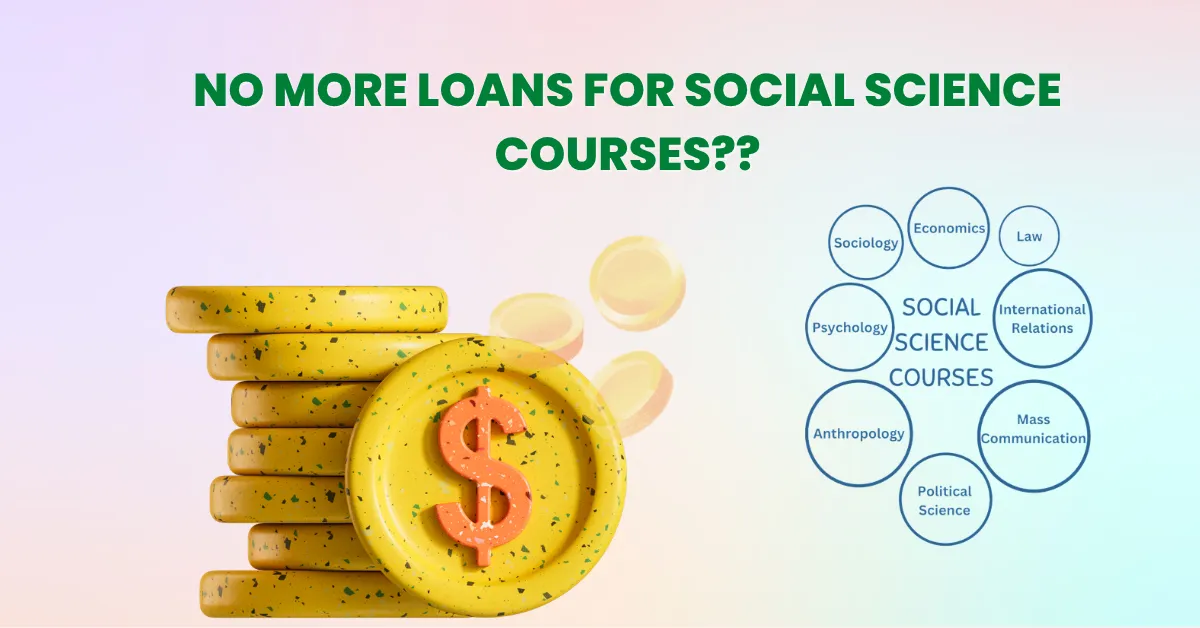
Nigeria's Minister of Education, Dr Tunji Alausa, has announced plans to phase out university courses he considers economically irrelevant, warning social science students directly that their disciplines face elimination and advising them against taking student loans to finance such degrees.
Alausa made the declaration on Sunday, 26 April, at the Renewed Hope Conversation held at the University of Abuja, where he delivered an unusually blunt address to students on the future of their academic choices.
"We are phasing out some of these courses that are deceiving you, bringing you to school to learn things that we know won't be needed. We are training you in market relevant courses. And a lot of you, with due respect to you people doing social sciences, there are not going to be jobs for you in the future," he stated.
The minister went further, cautioning students against accessing loans through the Nigerian Education Loan Fund to finance degrees in the affected disciplines. "Don't take a NELFUND loan that you know will not make it. I am talking with vice chancellors, rectors and provosts over this. We will phase out some of these courses that were deceiving you with," he warned.
At the centre of the reform agenda is the mandatory introduction of the Entrepreneurship, Innovation and Business Incubation Certification (EPIC) across all tertiary institutions by 2027, alongside the embedding of Artificial Intelligence, data science and digital skills from primary to tertiary level education.
The announcement drew swift resistance from academic bodies. CONUA National President, Dr Niyi Sunmonu, argued that courses should evolve rather than be scrapped, stressing that modernising curricula was the appropriate policy response. "Education must adapt to changing times, but that adaptation should come through updating and modernising curricula, rather than discarding entire disciplines," Sunmonu stated.
NASU President, Dr Makolo Hassan, challenged the basis for measuring relevance, arguing that course titles alone were insufficient indicators. "The relevance or irrelevance of a course cannot be determined at face value, but rather by its curriculum and content," Hassan noted.
NAPTAN President, Alhaji Haruna Danjuma, urged caution, calling for expert scrutiny before any implementation. Alausa did not provide a specific list of courses earmarked for elimination, deepening uncertainty among students and institutions in the social sciences and humanities.


Leave a Reply