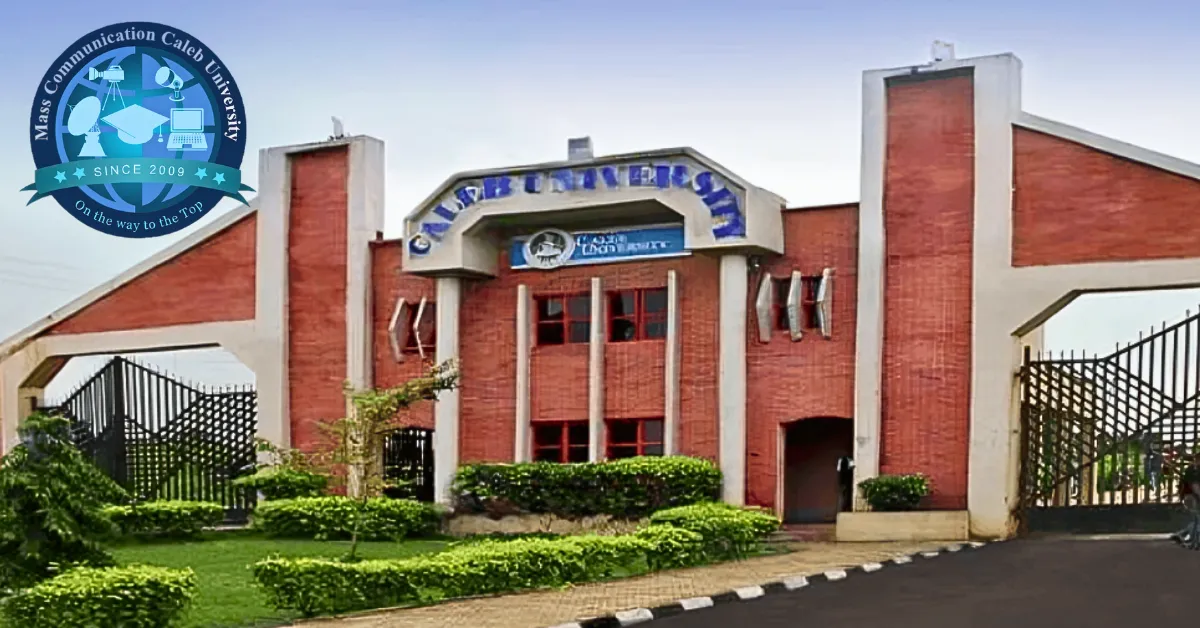
Caleb University's Mass Communication department organised a Women Empowerment Campaign titled "Breaking Barriers, Building Pathways: Storifying Women's Impact" to train students in responsible and gender sensitive reporting.
Mrs Funmi Falobi, Convener and Lecturer in Charge, explained that the initiative aims to bridge gaps in media representation by teaching students to intentionally highlight women's economic contributions, including the work of women with disabilities.
She stressed that early exposure to gender focused reporting would shape students into ethical and socially responsible journalists.
Dr Solomon Oyeleye, Deputy Dean of Students Affairs, described the course "Writing Women Empowerment Stories" as unique to Caleb University, noting that journalism extends beyond reporting events to providing context and meaning to social realities.
He encouraged students to focus on economic issues, including employment, entrepreneurship, inflation, and access to resources, particularly as they affect women.
Mrs Temitope Sulaiman, a journalist and women and children advocate, urged female students to remain resilient and focused, especially in male dominated professions.
She shared experiences from newsrooms, highlighting challenges women face in the media industry and calling for consistent recognition of women's contributions beyond special commemorative days.
She also stressed the need to address poverty, inequality, and limited opportunities affecting women and girls.
Mrs Omowale Ogunrinde, Executive Director of Field of Skills and Dreams Academy, emphasised that women are critical drivers of economic growth and should not be limited by societal stereotypes.
She encouraged women to be independent and confident, noting that working women have a voice and something credible to say.
Ogunrinde cited prominent figures, including Senator Natasha Akpoti, Funmilayo Ransome Kuti, Funke Opeke, and Adela Olabamiji, as examples of women who have made a significant societal impact.
The campaign concluded with student presentations on women's contributions in sectors including business, education, technology, and community development, followed by interactive discussions on career advancement and workplace challenges.
Participants described the programme as practical and transformative, noting that it strengthened their commitment to promoting inclusive and development oriented journalism.
The programme equipped students with practical skills to tell compelling stories highlighting women's roles in national development, addressing the gap in media coverage of women's economic power.
The initiative held at Caleb University in Imota, Lagos, represents efforts by Nigerian universities to integrate gender perspectives into journalism training and prepare future media practitioners to report responsibly on development issues.

Leave a Reply