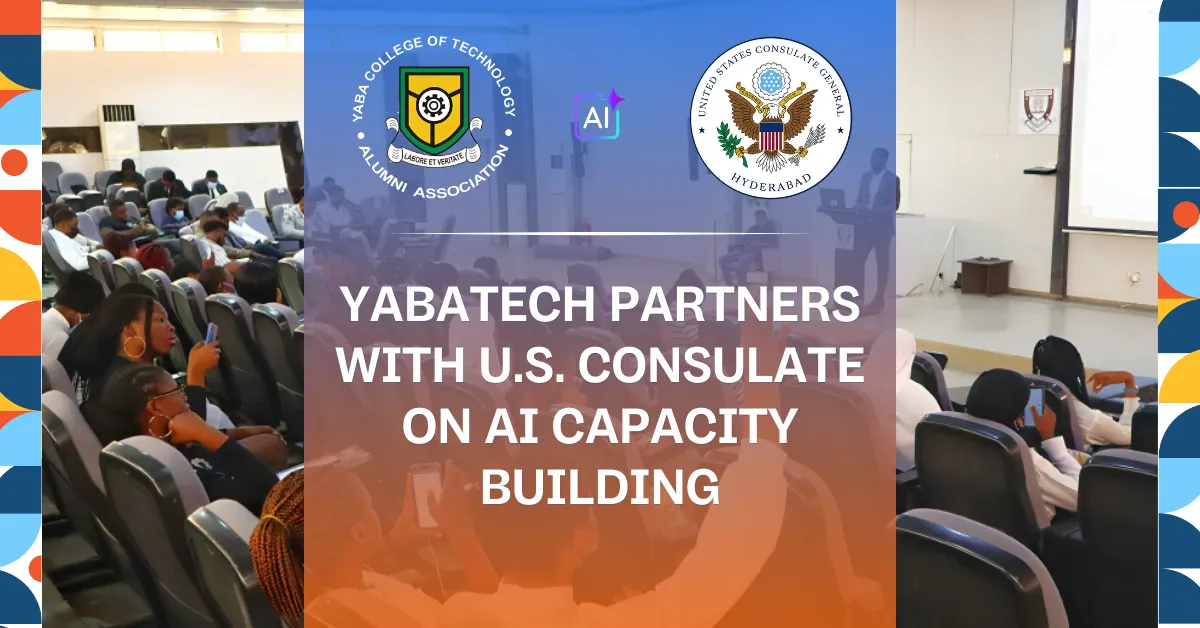
Participants at a technology workshop in Lagos have been challenged to transition from being passive consumers to active creators in the global Artificial Intelligence revolution. Omoju Miller, the Chief Executive Officer of FIMIO and a globally recognised technology expert, issued this challenge during a one day intensive training programme.
She emphasised that Africa, and Nigeria in particular, has a unique opportunity to shape the future of AI given its youthful population and growing digital ecosystem. Miller urged young Nigerians to embrace what she described as “main actor energy” in global tech development.
“We are in the most profound global revolution yet, the AI revolution. This is our opportunity to be participants, not just consumers,” Miller stated.
She highlighted the availability of open source AI models, noting that innovation is now accessible to young developers without prohibitive costs. However, she cautioned against the misuse of AI in academic work, calling it counterproductive.
“Don’t let AI do your homework for you. Use it to deepen your understanding, generate practice questions, and improve your mastery. If you cheat with AI, you are only cheating yourself,” Miller warned.
The training, organised by the United States Consulate General, Lagos, in collaboration with Yaba College of Technology, focused on ethics and responsibility. Sessions covered responsible AI tools, decision making, ethical applications in teaching and research, cyber safety, data privacy, and career pathways within the AI ecosystem. Miller also addressed the risks of bias in algorithms trained on skewed datasets, calling on Nigerian researchers to contribute local data and languages to ensure fair representation.
Rector of YABATECH, Dr Ibraheem Abdul, highlighted the significance of the initiative while declaring the training open. He noted that artificial intelligence has become a defining force in education, governance, and business. He expressed appreciation to the U.S. Consulate for the visionary partnership, observing that knowledge in emerging fields must be harnessed responsibly to benefit society.
The event aimed to equip attendees with skills to drive sustainable development. More than 300 staff, students, and alumni participated in the exercise, which concluded with a call for grassroots innovation to solve local challenges, test them responsibly, and strengthen global safety frameworks.

Leave a Reply