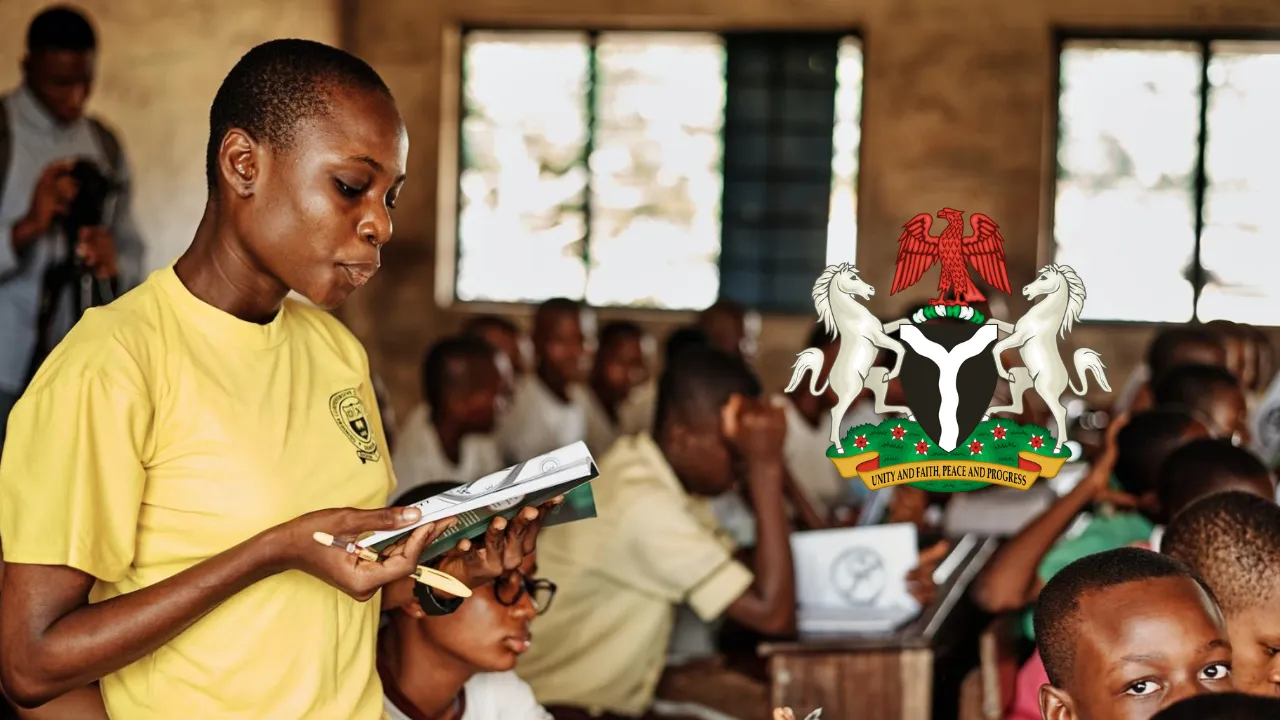
The Federal Government has set aside N21 billion for perimeter fencing of 118 Federal Unity Colleges and online learning for secondary schools in 2026.
A breakdown of the amount showed that while N14 billion was allocated to the perimeter fencing of schools, N7 billion was earmarked for online learning in public secondary schools. This was contained in the 2026 appropriation bill currently before the National Assembly.
Both projects, tagged as ongoing, would be executed by the Federal Ministry of Education under the Economic Recovery and Growth Plan. The N7 billion proposed for online learning represents a 63.2 per cent reduction from the N10 billion allocated for the same in the 2025 budget.
Specifically, the virtual proposal was tagged "Online classroom platform for secondary schools," while the other project was titled: "Provision of security infrastructure in 118 unity colleges: Perimeter fencing."
Last year, the Federal Government launched a countrywide programme designed to expand equitable access to online learning. The initiative targets the persistent shortage of qualified teachers and the need to guarantee uninterrupted learning countrywide.
According to the Minister of Education, Dr Tunji Alausa, deploying technology to deliver live, interactive lessons directly to learners democratises access to quality education and ensures that no child is left behind, regardless of location or circumstance. He disclosed that implementation would be expanded to cover all classes.
Data from the National Senior Secondary Education Commission showed that Nigeria has more than 5.5 million students enrolled in public and private senior secondary schools, while information available on the website of the Universal Basic Education Commission indicated that over eight million pupils are attending junior secondary schools across the country.
Reacting, the Education Rights Campaign criticised the Federal Government's proposed N7 billion expenditure on online learning, describing it as a misplaced priority that fails to address the deep rooted challenges facing the sector.
National Mobilisation Officer of the group, Michael Adaramoye, argued that the initiative amounts to a "white elephant project" considering the dilapidated condition of many public secondary schools across the country; a development he attributed to years of neglect and chronic underfunding. According to him, investing heavily in digital learning platforms while schools lack basic infrastructure undermines meaningful educational development.
Adaramoye lamented that many public schools lack adequate classrooms, learning facilities, and a conducive environment for teaching and learning. He said classrooms that exist are often overcrowded and unfit for academic activities, making the focus on online learning unrealistic.
"While it is true that students need to be equipped with advanced tools to aid effective learning, the starting point must be the provision of well equipped classrooms, a serene learning environment, and improved welfare for students and teachers that meet global standards," Adaramoye said.
He added that spending billions of naira on online learning amid crumbling infrastructure raises concerns about the government's priorities and intentions. He also recalled that N10 billion was reportedly earmarked for a similar project in the previous year, questioning the outcome and impact of that expenditure.
"What is the outcome of the N10 billion allocated last year for a similar initiative? This raises serious doubts about the sincerity of the government and suggests that such projects could become conduits for the misappropriation of public funds."
The group urged the government to redirect resources towards the genuine revitalisation of public education through improved funding, infrastructural development and better conditions of service for teachers, warning against turning the sector into "an avenue for corrupt practices."


Leave a Reply