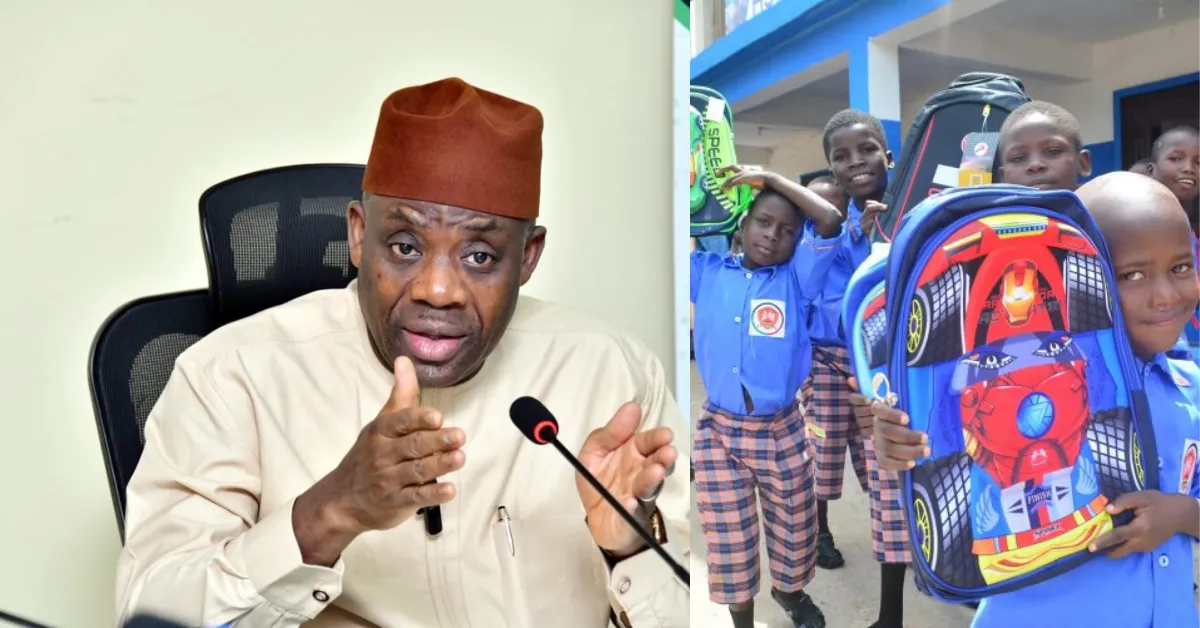
In a decisive move to address the systemic challenges within the nation’s academic framework, Nigeria’s Minister of Education, Dr. Maruf Tunji Alausa, has reaffirmed the Federal Government’s commitment to deepening collaboration with state governments. This strategic alignment is positioned as a cornerstone for improving access to quality education and decisively addressing the persistent challenge of out of school children across the Federation. The assurance was underscored in a comprehensive policy update released by the Federal Ministry of Education, which emphasizes that the delivery of sustainable reforms is entirely dependent on coordinated, synchronized action between federal authorities and state leadership. By moving beyond isolated interventions, the government aims to create a unified front capable of dismantling the socioeconomic and infrastructural barriers that have historically hindered educational equity.
Central to this invigorated intergovernmental strategy is the maiden peer learning webinar recently convened by the Council of State Commissioners of Education, Nigeria (COSCEN). This inaugural session served as a high level platform for shared learning, policy alignment, and collective problem solving, specifically targeting the bottlenecks that keep millions of Nigerian children outside the formal school system. During the deliberations, education stakeholders and policymakers emphasized that long term progress is not merely a function of increased funding, but is instead rooted in shared accountability, harmonized planning, and the deployment of data driven interventions. There is a growing consensus among officials that by aligning state level strategies with national priorities, the sector can accelerate measurable gains in student enrollment, retention, and, ultimately, standardized learning outcomes that meet international benchmarks.
Further bolstering this inclusive mandate is the National Commission for Almajiri and Out of School Children Education, which continues to play a vital, complementary role in expanding access to Nigeria’s most vulnerable and underserved populations. The commission’s efforts are specifically tailored toward the reintegration of marginalized youth into the educational fold through targeted support programs and retention strategies that address the unique cultural and economic contexts of different regions. As the Ministry looks toward the future, the prevailing stance remains that closing the nation's education gap requires a departure from fragmented governance. Instead, the path forward is defined by unified leadership, sustained cooperation across all tiers of government, and a commitment to innovation and transparency as the primary drivers of national progress.


Leave a Reply