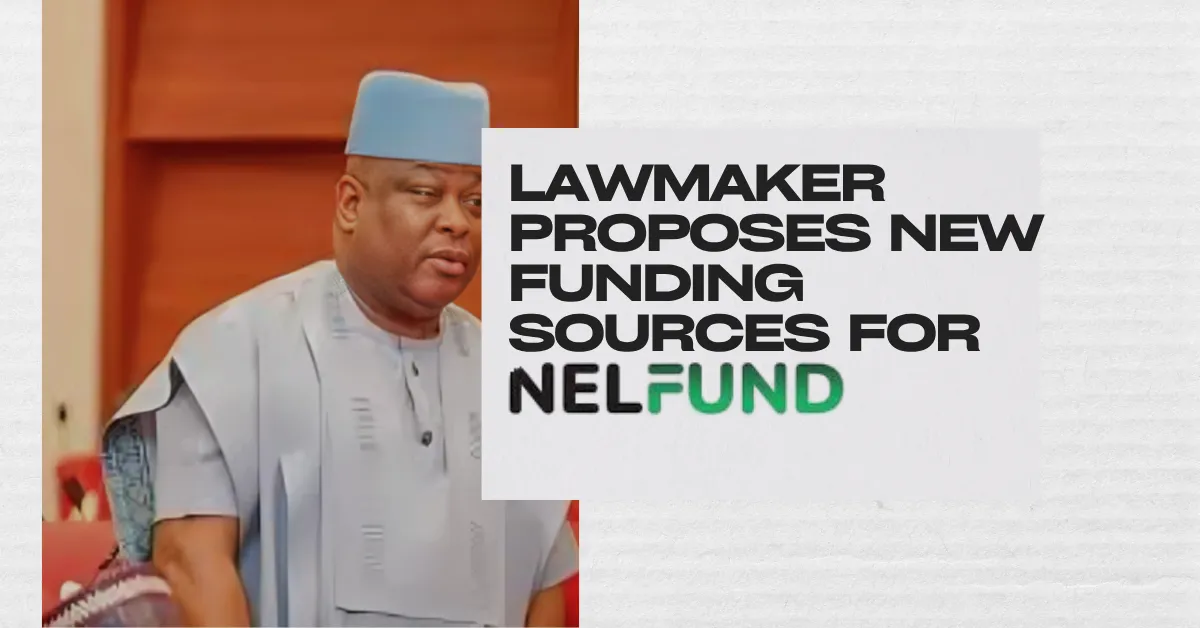
The current financial architecture supporting the Nigerian Education Loan Fund requires diversification through state government and corporate capital injections to prevent system collapse. Imo West representative Senator Osita Izunaso issued the policy call on Thursday through an official communication from his media headquarters in Abuja. The national framework must secure alternative funding streams immediately to protect future student allocations against administrative changes.
Legislative review channels indicated that the present recovery guidelines create heavy pressure on young job seekers entering the modern labour market. Committee member Senator Osita Izunaso disclosed that extending the loan reimbursement timeline from twenty four months to sixty months remains critical for long term sustainability. The lawmaker noted that the existing short repayment format ignores severe employment struggles faced by fresh graduates nationwide. According to official parliamentary assessments, a flexible repayment window protects the capital pool while giving beneficiaries five full years to achieve economic stability before settling debts.
Tertiary education administrators confirmed that the intervention remains a highly impactful achievement of the current administration despite growing structural difficulties. The capital market committee leadership stated that the student support agency has maintained top tier transparency and financial accountability throughout its transactional history. Public records show that digital tracking tools allow citizens to verify total disbursements and receipts online without administrative delays.
Economic updates revealed that inflation has eroded the purchasing power of the domestic maintenance allowances distributed to university candidates. The Senate committee disclosed that the active monthly upkeep stipend of 20000 Naira provides insufficient resources to sustain beneficiaries at their respective testing centres. Regulatory records state that the management must increase these monthly subventions to match the rising cost of living across the federation.
Parliamentary representatives revealed that structural reforms must happen before the transition of executive power to ensure the policy survives beyond the current government lifecycle. The agency announced that long term survival depends entirely on building a broader contributor foundation that incorporates private entities and sub national budgets. Committee members stated that early operational success should lead to fast legal adjustments rather than institutional complacency.

Leave a Reply